



Dental Implants
Northern Virginia Oral Surgery
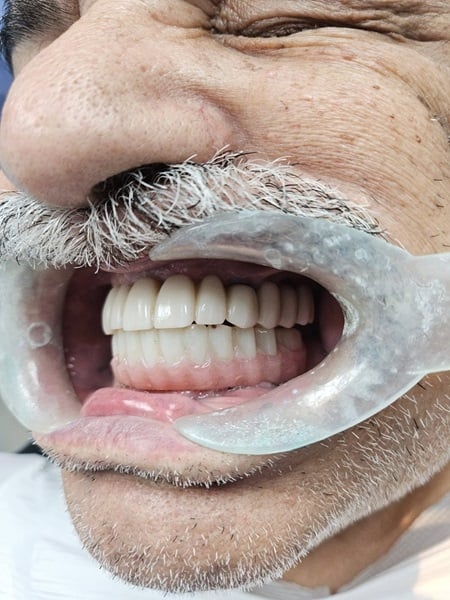
Missing teeth can affect everything from your ability to chew to your self-confidence. At Christopher E. Bonacci, DDS, MD, PC in Vienna, VA, we offer long-lasting solutions with state-of-the-art dental implants. Whether you’re missing one tooth or several, dental implants offer the most natural-looking and functional replacement available today.
Dr. Bonacci and his team are located in Vienna, VA but we proudly serve patients from McLean, Great Falls, Tysons, Herndon, Fairfax, Falls Church, Oakton, and Reston, VA as well.
What Are Dental Implants?
Dental implants are small titanium posts that are surgically placed into your jawbone to act as artificial tooth roots. Once healed, these implants support custom restorations like crowns, bridges, or dentures—giving you a strong, stable, and beautiful smile.
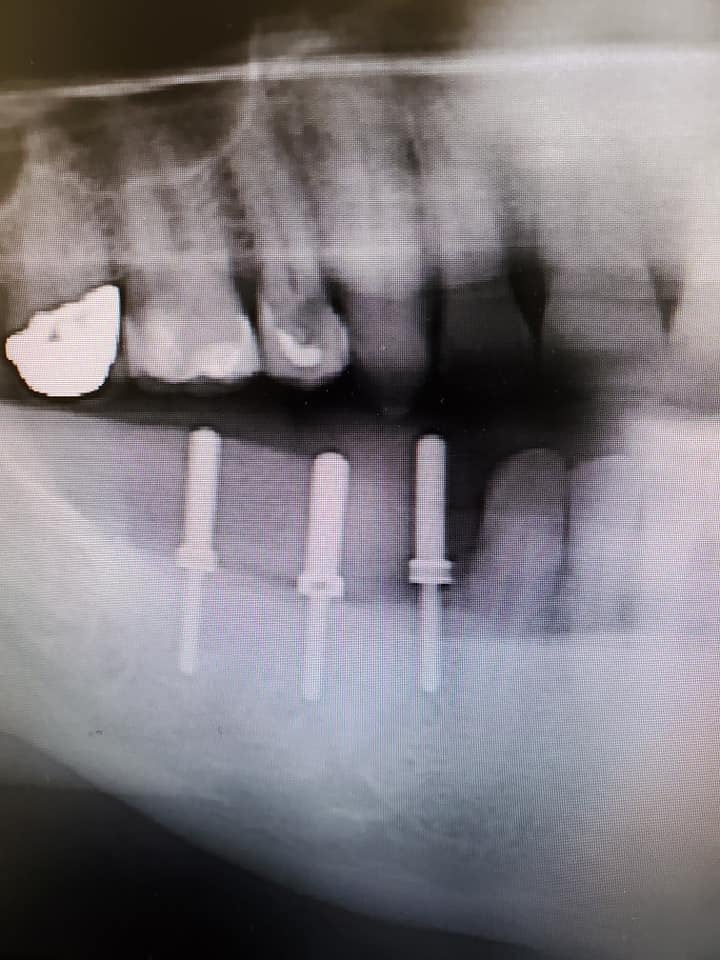
Types of Dental Implant Procedures Dr. Bonacci Offers:
- Single Tooth Replacement
- Multiple Tooth Replacement
- All-on-Four Implant Procedure
- Full Arch AND Full Mouth Replacement
Dental Implants Presentation
To provide you with a better understanding of dental implants, we have provided the following multimedia presentation. Many common questions pertaining to dental implants are discussed.

Should You Get Dental Implants?
Benefits of Dental Implants Include:
- The most natural look and feel – you maintain them like your regular teeth and you can eat whatever you want!
- Being more permanent and stable than dentures or other removable devices
- No denture adhesive or worry of your teeth slipping
- Preserving jawbone that wastes away when you lose a tooth
Most healthy adults are good candidates for dental implants. Ideal candidates:
- Have healthy gums
- Have sufficient jawbone to support the implant (or are open to bone grafting)
- Don’t smoke, or are willing to quit during the healing process
- Are committed to good oral hygiene
Dental ImplaNT pLACEMENT pROCEDURE
The Surgical Procedure
The procedure to place an implant takes 30 to 60 minutes for one implant and only 2 to 3 hours for multiple implants. The number of appointments and time required vary from patient to patient. The surgeon will bring great precision and attention to the details of your case.
Before surgery, you may receive antibiotics and intravenous sedation for greater comfort. These options are discussed with you at your consultation appointment. A local anesthetic will be administered to numb the area where the implant will be placed.

When you are comfortable, the surgeon makes a small incision in the gum tissue to reveal the bone, creates space using special instruments, and gently inserts the titanium implant. The top of this implant is often visible through the gum. Sometimes it is better to have the implant covered by the gum tissue in the early stages of healing.
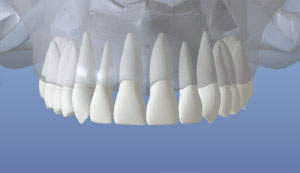
1. Normal
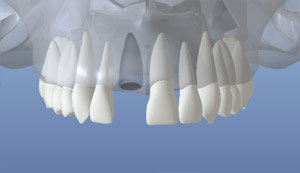
2. Tooth Loss
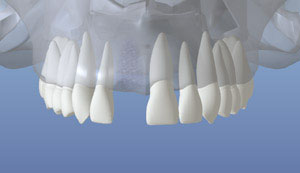
3. Healed Bone
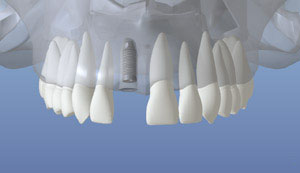
4. Implant Placed
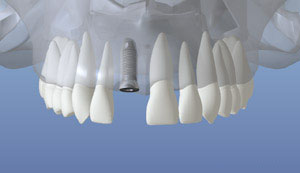
5. Healing
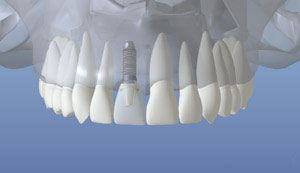
6. Implant Restored
Are You Ready to Restore Your Smile?
Don’t settle for missing teeth! Dental implants are natural-looking replacement teeth that can renew your smile. Contact us today to learn more!
The Healing Phase
Now the healing begins. The length of time varies from person to person, depending upon the quality and quantity of bone. In some cases, implants may be restored immediately after they are placed. The surgeon will advise you on follow-up care and timing. After the initial phase of healing, the surgeon places an abutment (support post) or a healing cap onto the implant during a brief follow-up visit. This allows gum tissue to mature and provides access to the implant.
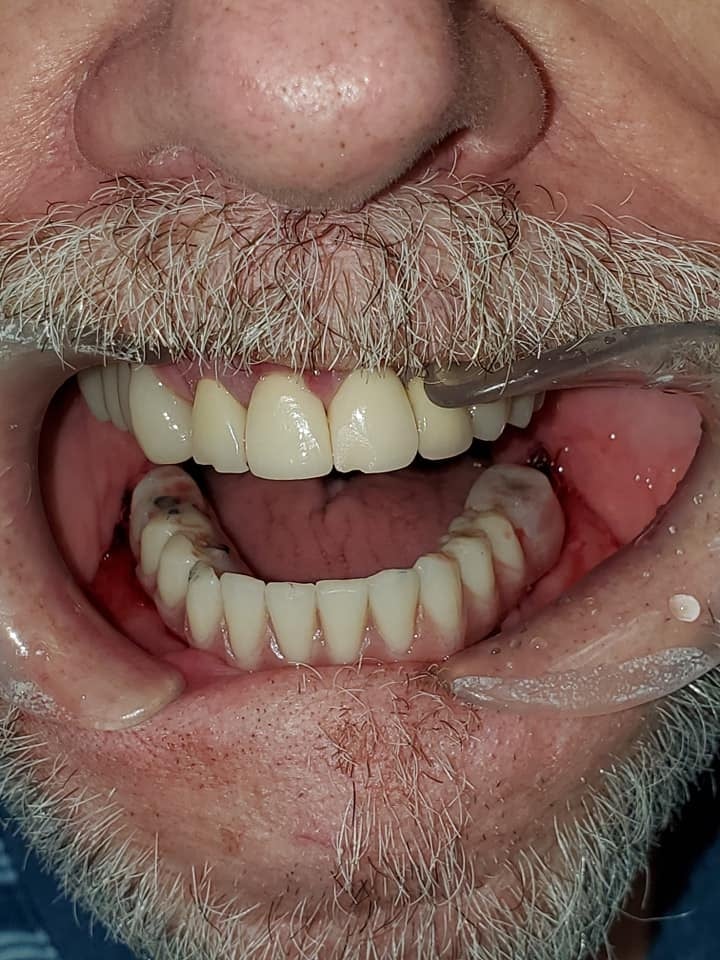
Whether it’s one tooth or all of your teeth that are being replaced, Dr. Bonacci will complete the restoration by fitting the replacement tooth (crown) to the dental implant.
Dental Implants Presentation
To provide you with a better understanding of dental implants, we have provided the following multimedia presentation. Many common questions pertaining to dental implants are discussed.
wHAT IF i HAD EXTRACTIONS?
Implants are often placed several months after extraction. At times, an implant may be placed immediately after extraction of a tooth. When infection or other problems with the bone are present, immediate implant placement is not the best treatment.
If your tooth has been missing for some time, the adjacent support bone is likely to grow thinner and shrink. This occurs because the root of the natural tooth has to be present to stimulate the bone. If you are missing enough bone, you may benefit from having additional bone grafted into the area. This ensures the implant will be adequately supported when it is placed in the jaw.
How Many Implants Do I Need?
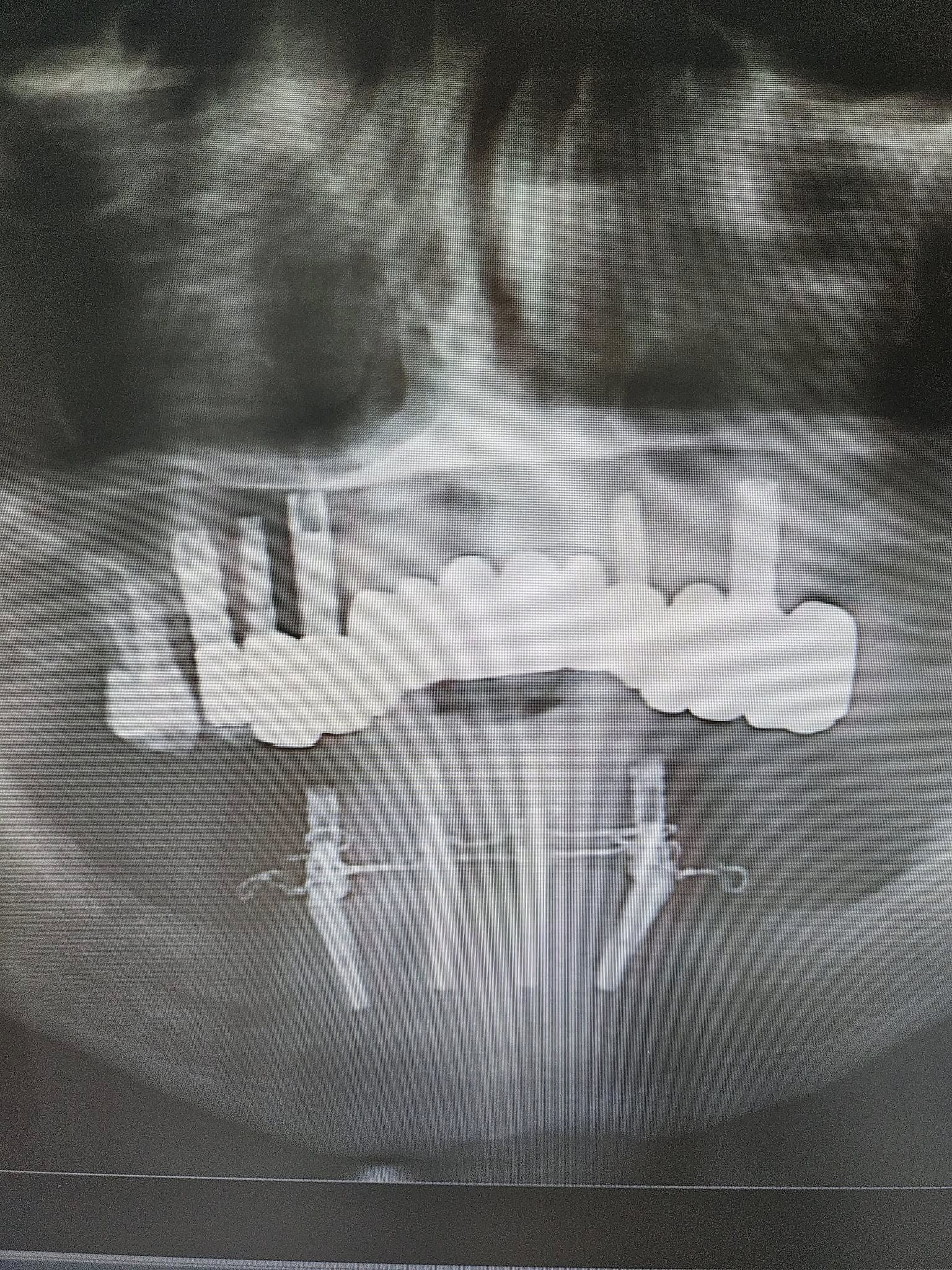
Most frequently, one implant per missing tooth is placed. Because many of the larger teeth in the back of your jaws have two or three roots, the most common approach is to replace missing back teeth with larger implants.
How Do I Clean My New Teeth?
As with natural teeth, it is important that you clean implant-supported restorations regularly with toothbrushes, floss and any other recommended aids. You should also visit your dentist several times each year for hygiene and maintenance. As with regular dentures and other tooth replacements, your implants and their associated components are subject to wear and tear and eventually will need repair, including clip replacement, relines, screw tightening, and other adjustments.
How Much DO IMPLANTS Cost?
Before treatment begins, every effort will be made to give you an accurate estimate of all the expenses involved in placing the implants and making your replacement teeth.
In many cases, there is an initial charge for the diagnostic work-up, including study models, x-rays, and the fabrication of a surgical template to ensure the best possible result. In addition you will be charged for the abutment or support post(s), plus the crown, dentures, or anything else that will be placed over the implants, including temporary restorations.
Periodic maintenance such as hygiene visits, tissue conditioners, denture relines and other repairs will also incur additional charges.